

Kaspersky Affiliations Project – Case Study Overview

Client
Kaspersky
Services
Services
UX/UI Design, Backend Development, Workflow Automation, Data Engineering, Reporting System Development, Browser Automation, API Integration
Location
Global
Project Duration
June 2025 – October 2025
Website
Technology Environment












Brief
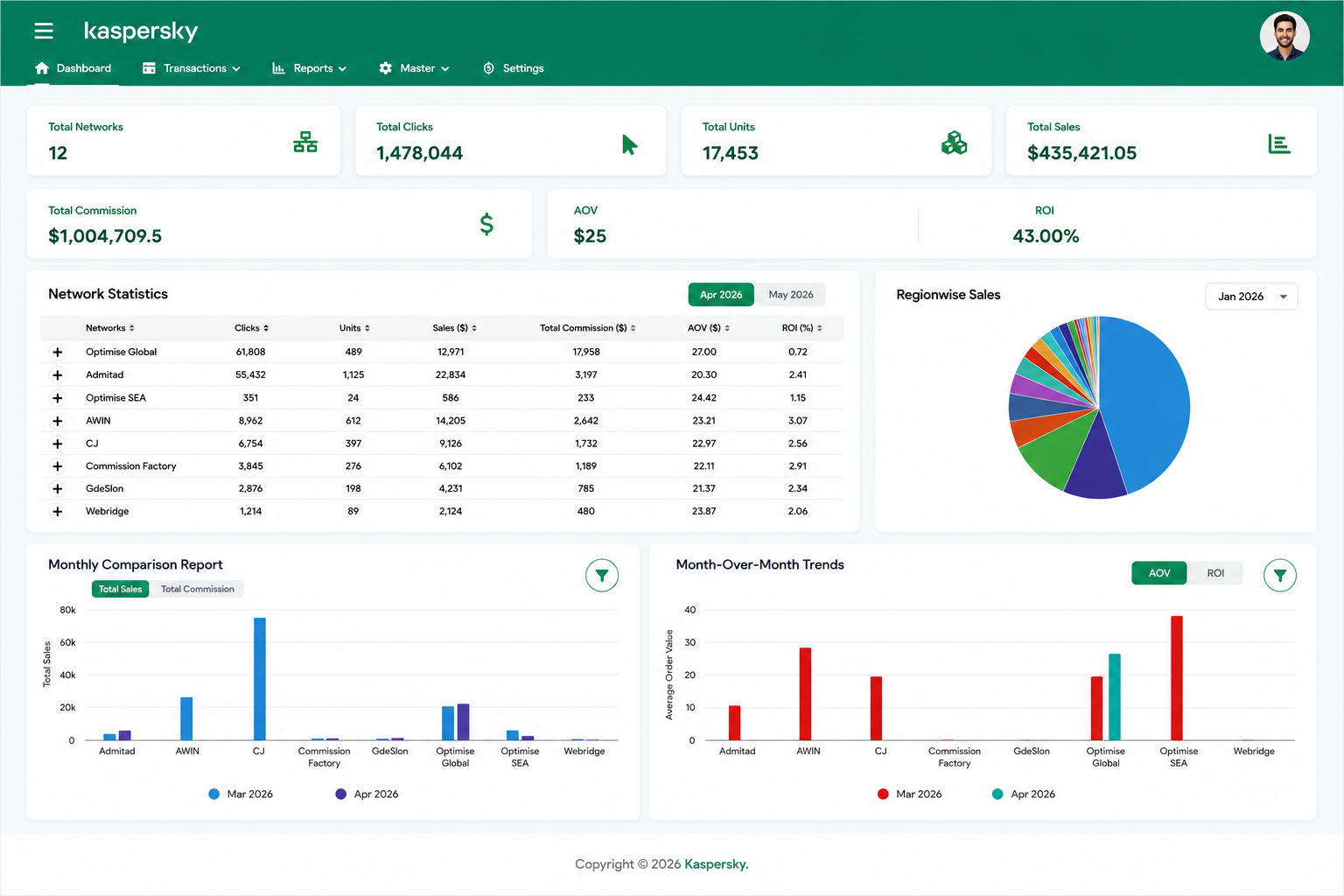
The Kaspersky Affiliations Project is a centralized affiliate reporting and automation platform developed to streamline affiliate data collection, processing, and reporting across multiple global affiliate networks. The solution automated manual reporting workflows using browser automation, API integrations, and workflow orchestration, enabling centralized visibility, multi-currency transaction handling, scalable network onboarding, and improved operational efficiency through a unified reporting ecosystem.
The Challenge
Kaspersky’s affiliate reporting operations relied on multiple third-party affiliate platforms, each with its own reporting structure, authentication flow, currency format, and dashboard experience. Teams were required to manually log into multiple portals, generate reports, download spreadsheets, clean data, and consolidate reports into a unified business view.
The fragmented workflow created operational inefficiencies, delayed reporting cycles, and increased the risk of data inconsistencies. Additionally, onboarding new affiliate networks required repeated engineering effort due to inconsistent schemas and reporting formats across platforms.
The challenge was to build a centralized, scalable platform capable of automating affiliate data extraction, standardizing reporting structures, handling multi-currency transactions, and providing unified visibility across all affiliate ecosystems.
Proposed Solution
We designed and developed a centralized affiliate reporting and automation platform to streamline data extraction, processing, reporting, and administrative management across multiple affiliate ecosystems.
The solution combined browser automation, API integrations, Apache Airflow orchestration, and dynamic transaction processing to automate affiliate reporting workflows end-to-end. A modular architecture was implemented to support scalable onboarding of affiliate networks while maintaining flexibility for different reporting structures and authentication mechanisms.
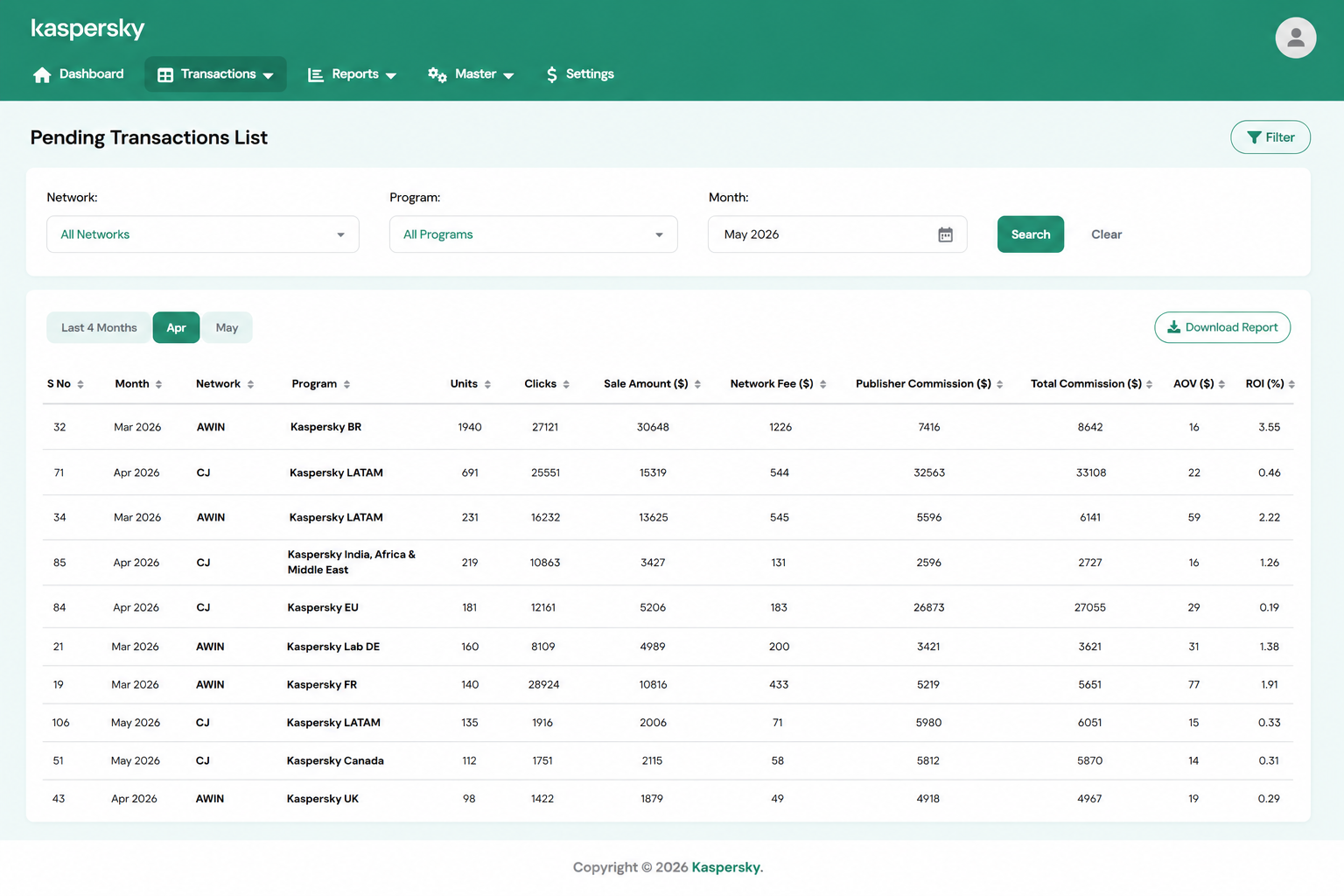
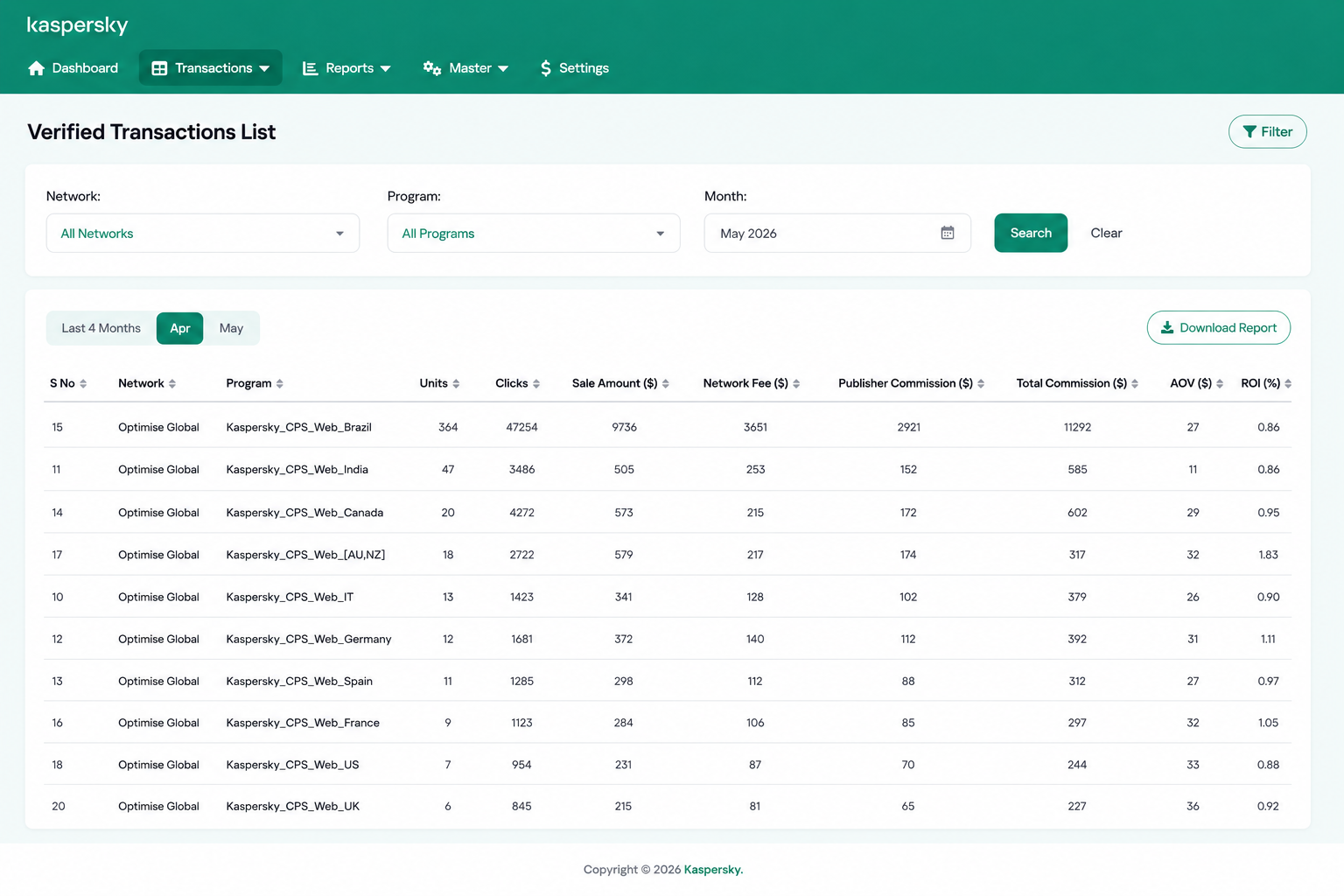
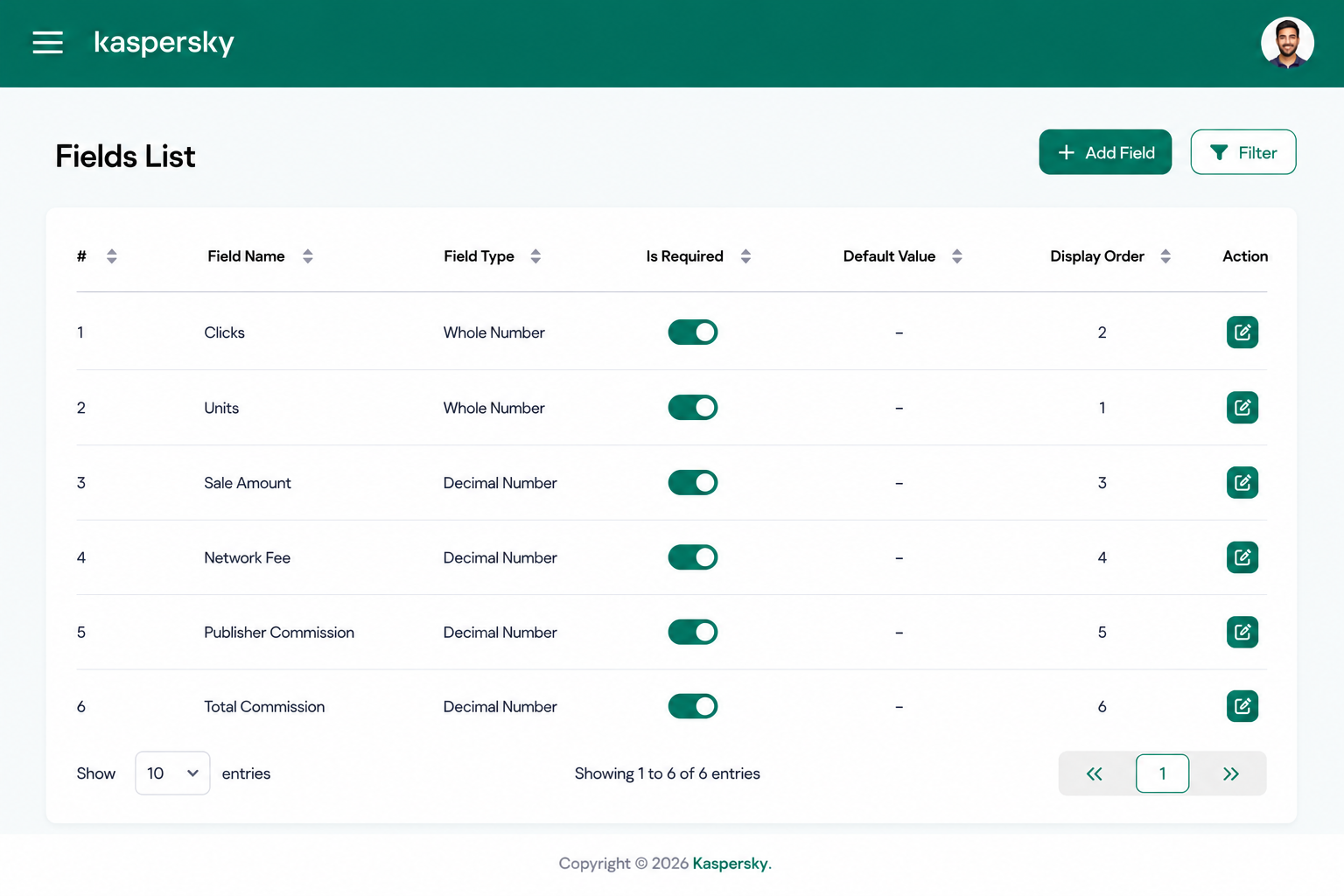
Using PostgreSQL JSONB-based dynamic schema management, the platform was able to standardize transactional data without requiring repeated database redesigns. Centralized dashboards and reporting modules provided unified visibility into affiliate performance, transaction data, and financial reporting across multiple global networks.
Key Deliverables


Key Feature Enhancements
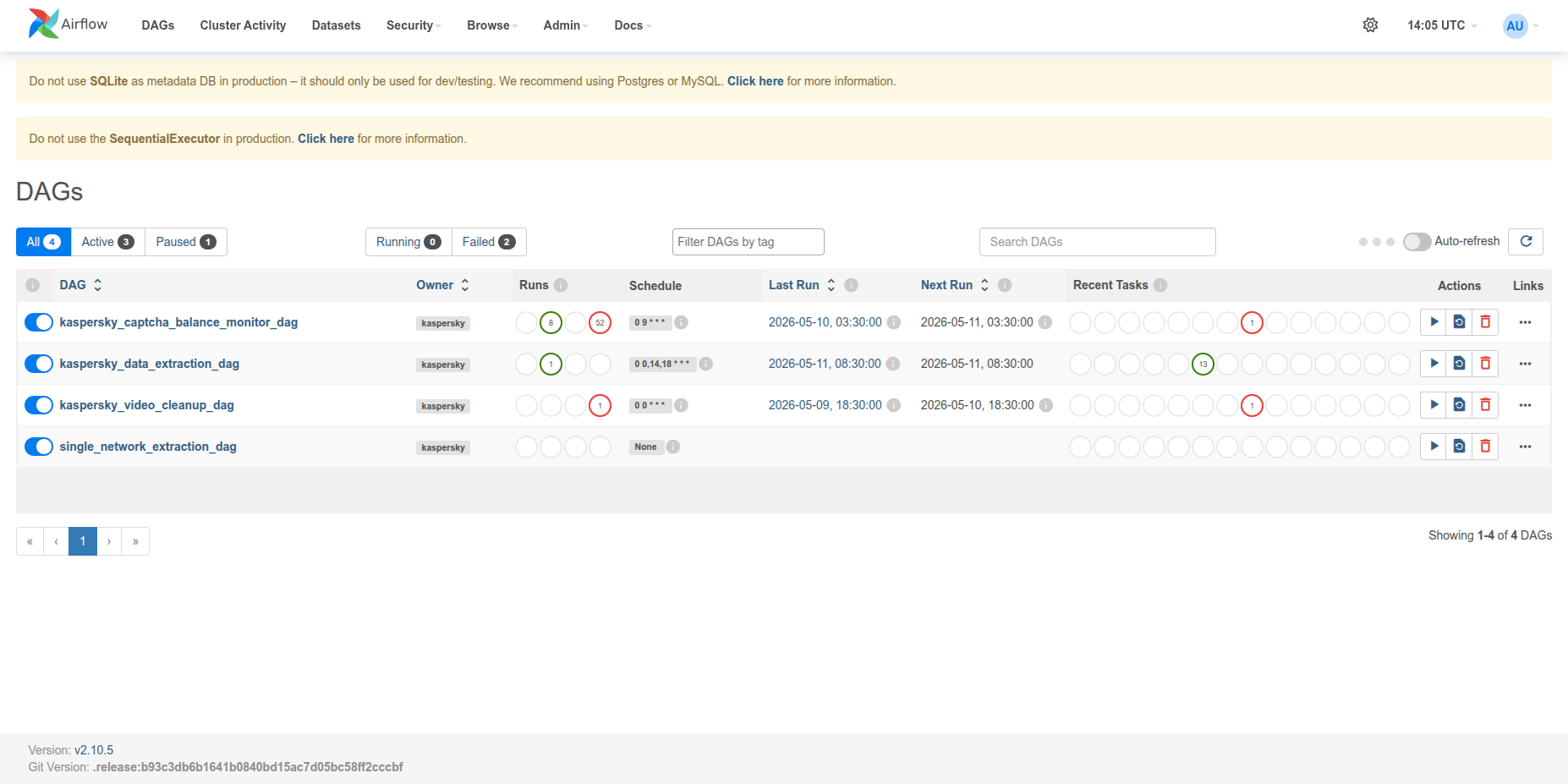
Airflow DAG Listing
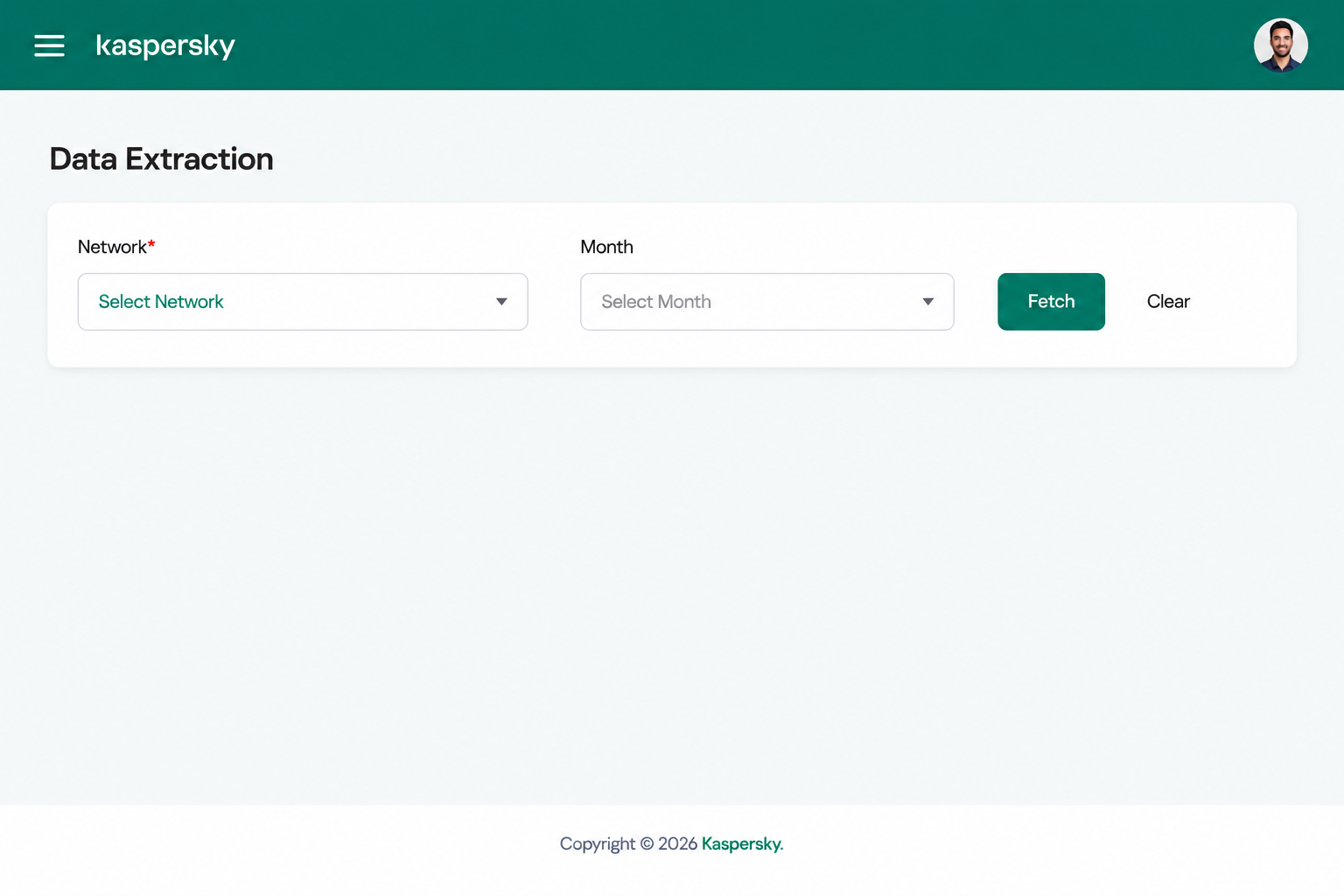
Data Extraction
Manage Fields
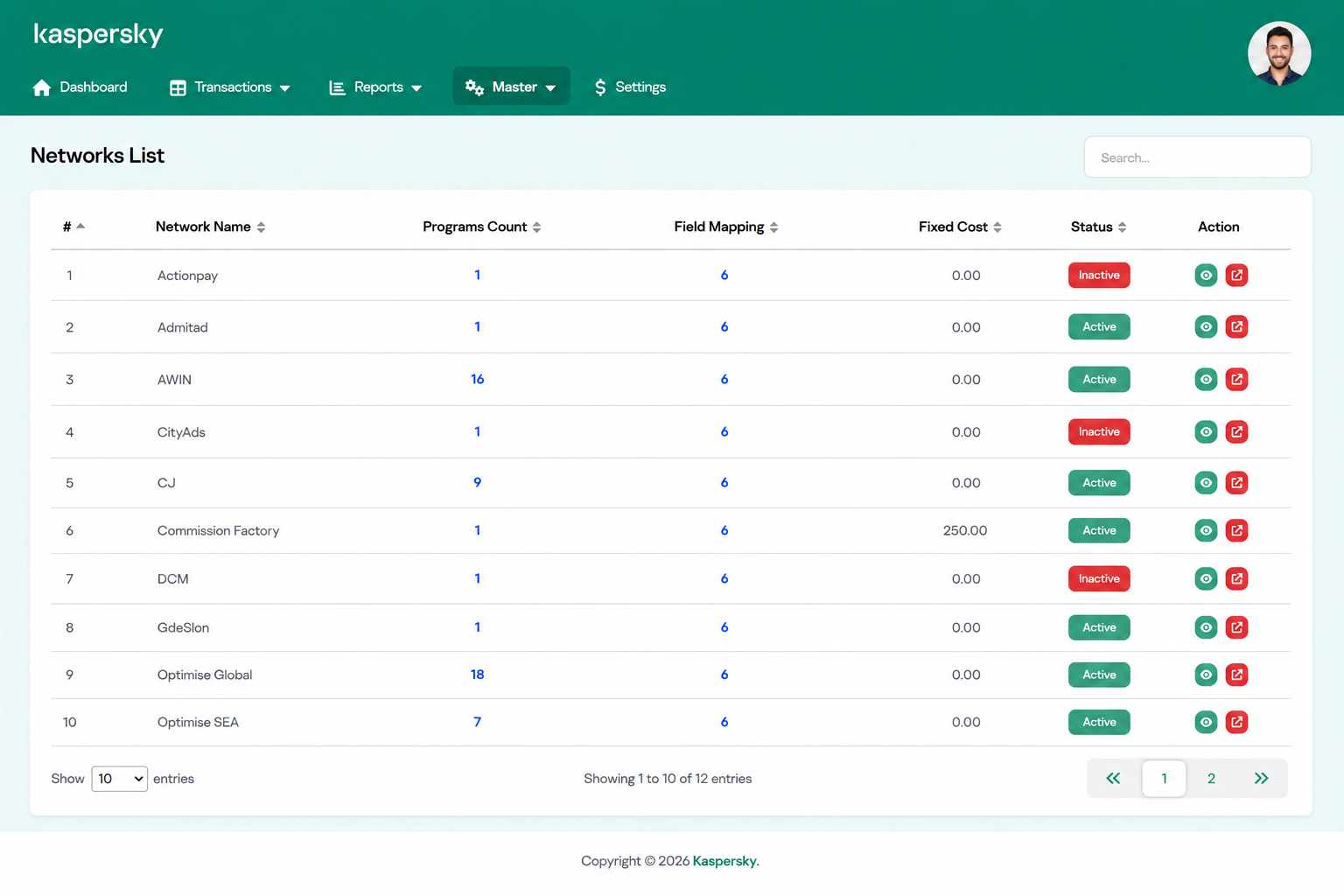
Manage Networks
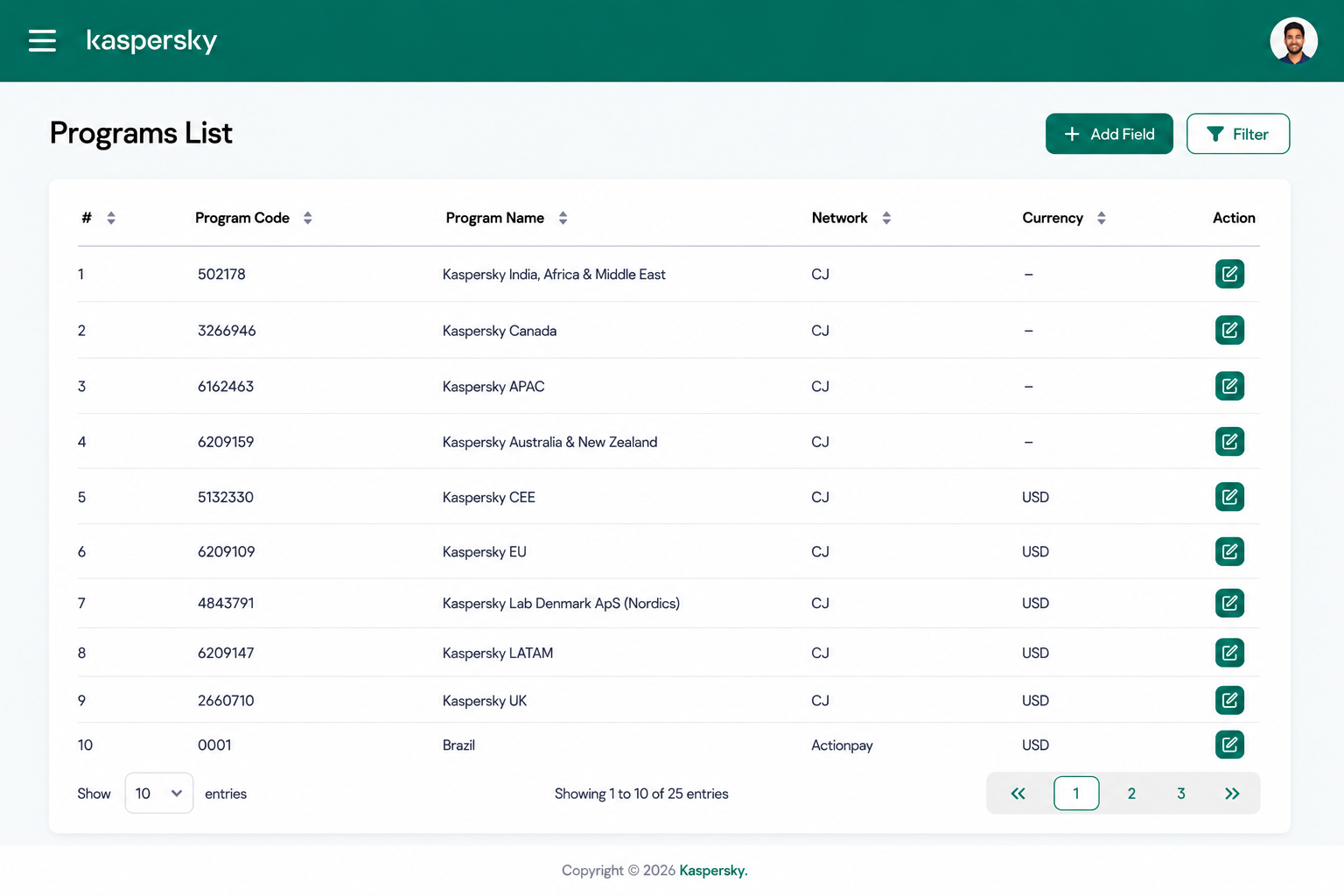
Manage Programs
Delivery and Deployment
Iterative Modular Development – Built using a phased approach to enable faster feature rollout and easier maintenance.
Scalable Deployment Architecture – Designed to support growing transaction volumes and onboarding of multiple affiliate networks.
Automated Workflow Scheduling – Implemented Apache Airflow for scheduled data extraction, reporting, and automation workflows.
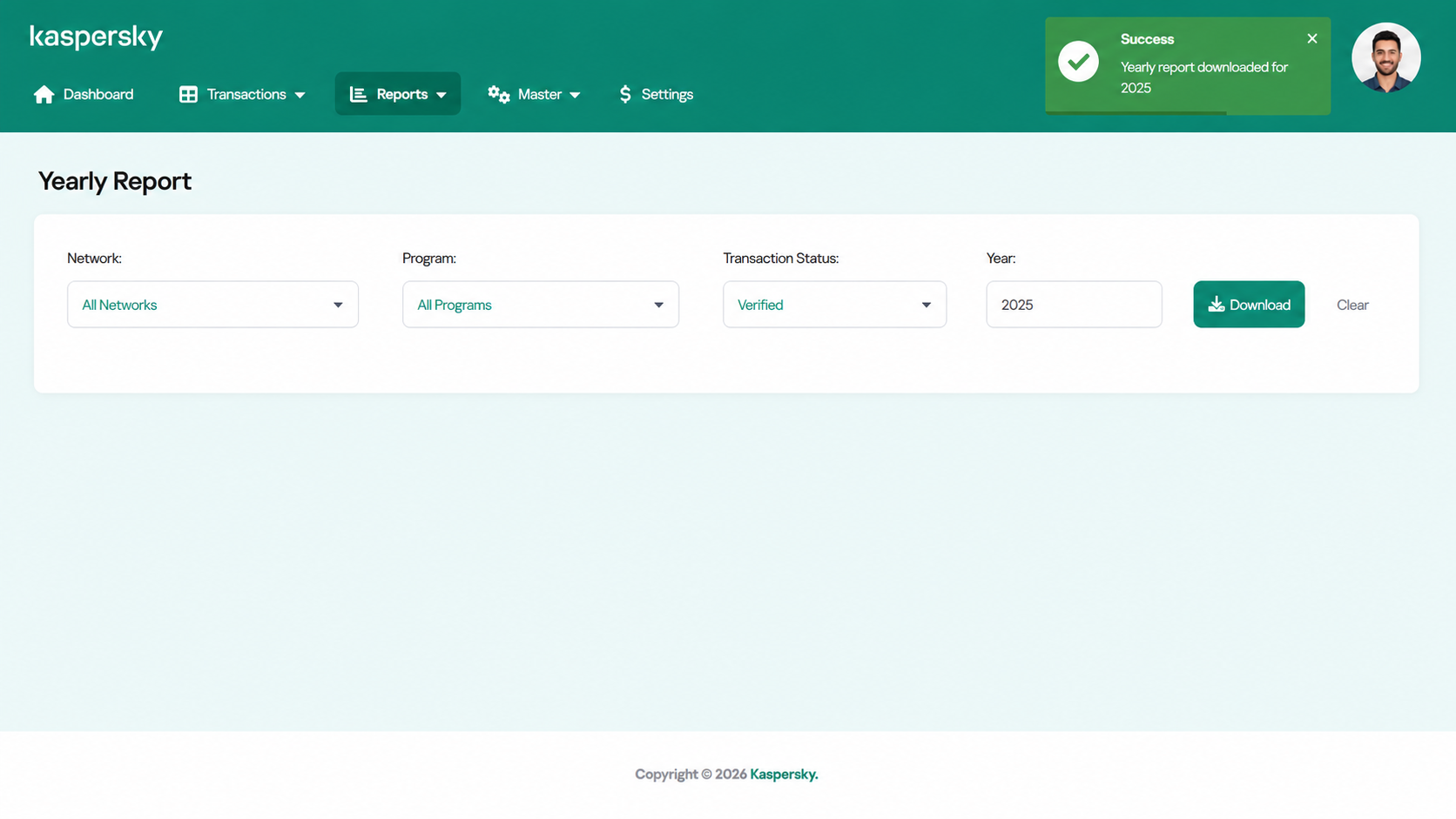
Centralized Reporting Modules – Unified affiliate reporting and transaction visibility into a single operational dashboard.
Continuous Integration Support – Used GitLab-based version control and collaborative deployment workflows for streamlined development.
Efficient Network Onboarding – Created reusable integration workflows to simplify onboarding of new affiliate platforms.
Monitoring & Error Handling – Added logging, retry mechanisms, and validation workflows to improve automation reliability.
Value Creation and Impact of Our Solution
Reduced Manual Reporting Effort
Automated affiliate data extraction and report generation across multiple networks.
Centralized Operational Visibility
Unified reporting and transaction management into a single platform.
Improved Reporting Accuracy
Standardized data structures reduced inconsistencies across affiliate reports.
Faster Affiliate Network Onboarding
Modular architecture enabled scalable integration of new affiliate platforms.
Enhanced Automation Reliability
Retry logic, session persistence, and workflow orchestration improved system stability.
Scalable Data Processing
Optimized architecture efficiently handled large transactional datasets and multi-currency reporting.
Simplified Administrative Management
Centralized admin modules streamlined configuration, schema management, and reporting operations.