Comprehensive E-learning Platform for the IoT Industry

 images - logo
Client

PTCU (Education Platform for IoT)

Services
Product Engineering
Industries
EdTech
Category

E-learning | Internet of Things (IoT)
| Website Development

Engagement

Website Development, E-learning Platform Development

Technologies

Brief

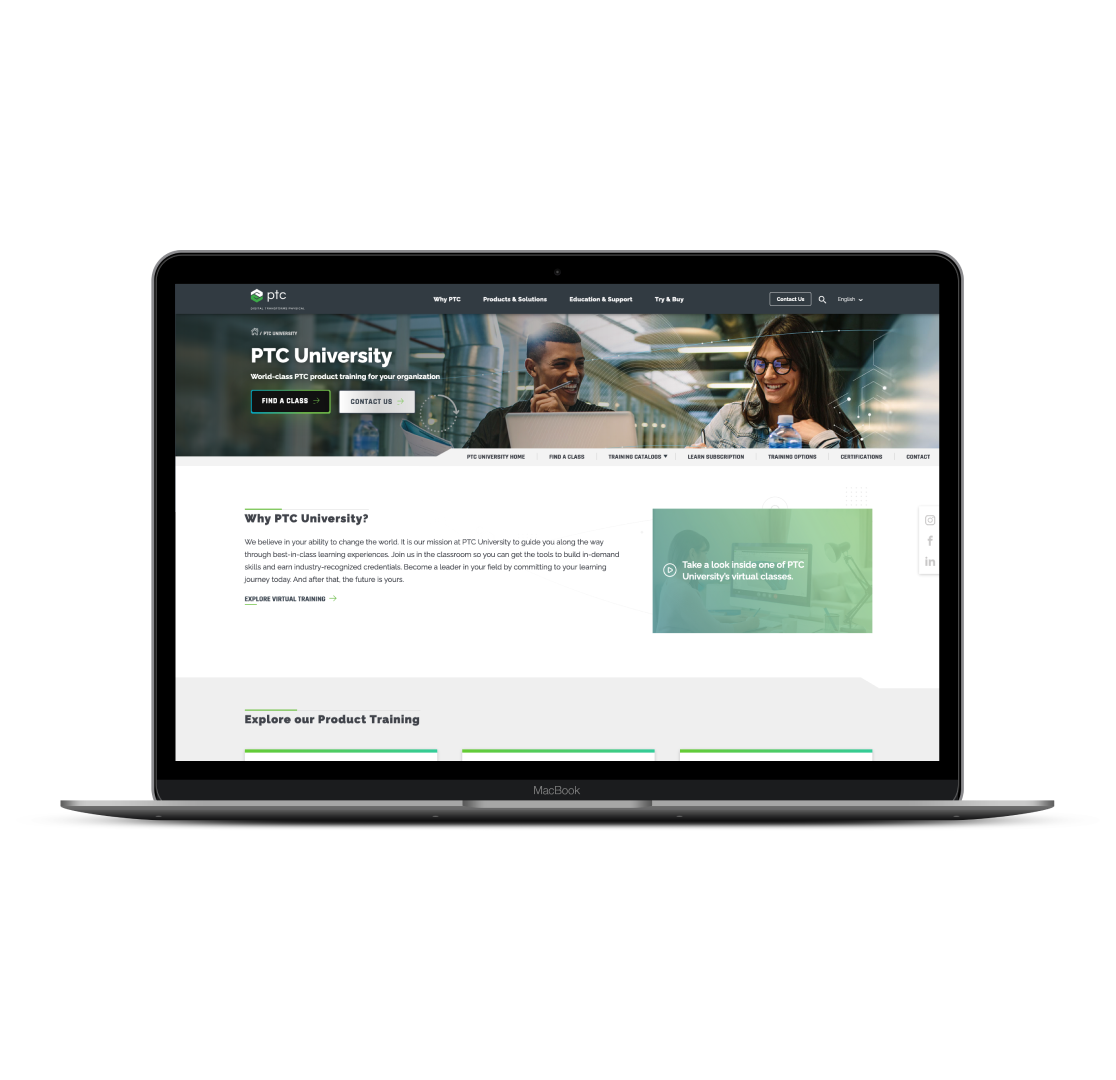
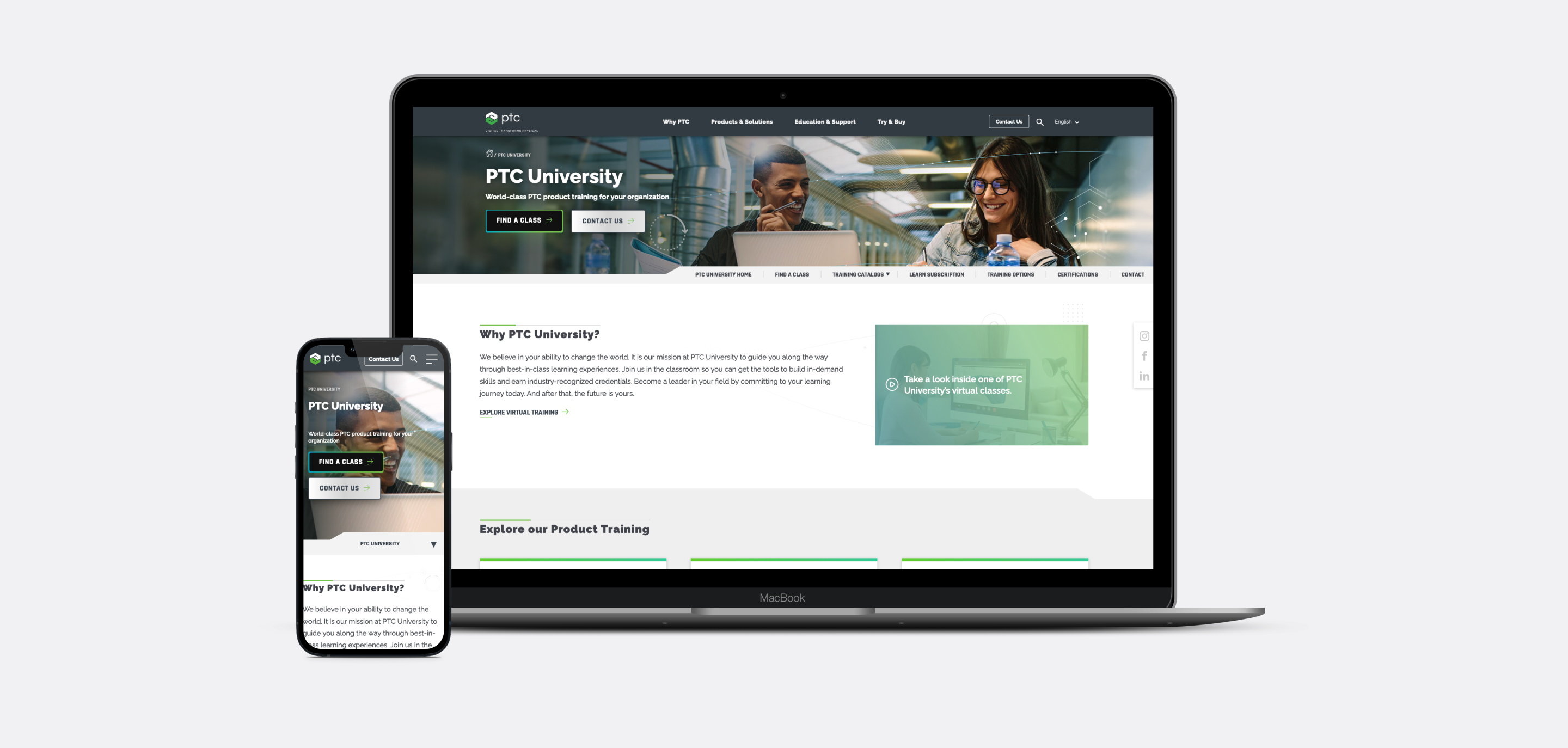
PTCU provides a wide range of courses and learning resources focused on the Internet of Things (IoT) industry. To effectively deliver these specialized courses and create an engaging learning environment, a comprehensive e-learning platform was developed, incorporating features like learning paths, social collaboration, and Salesforce integration.
The Challenge

PTCU needed a robust and engaging platform to effectively deliver its specialized courses on IoT technologies to a diverse audience of students and professionals. The platform needed to be user-friendly, accessible across various devices, and capable of supporting various learning styles, facilitating collaboration, and integrating with existing systems like Salesforce.

Proposed Solution

A comprehensive e-learning platform was designed and developed, tailored to PTCU’s requirements. This involved:

  • Creating a mobile-responsive design to ensure accessibility across various devices.
  • Incorporating social and collaborative features to enhance learning through interaction.
  • Integrating with Salesforce to streamline data management and communication.
  • Implementing learning paths to provide structured learning experiences.

Key Deliverables
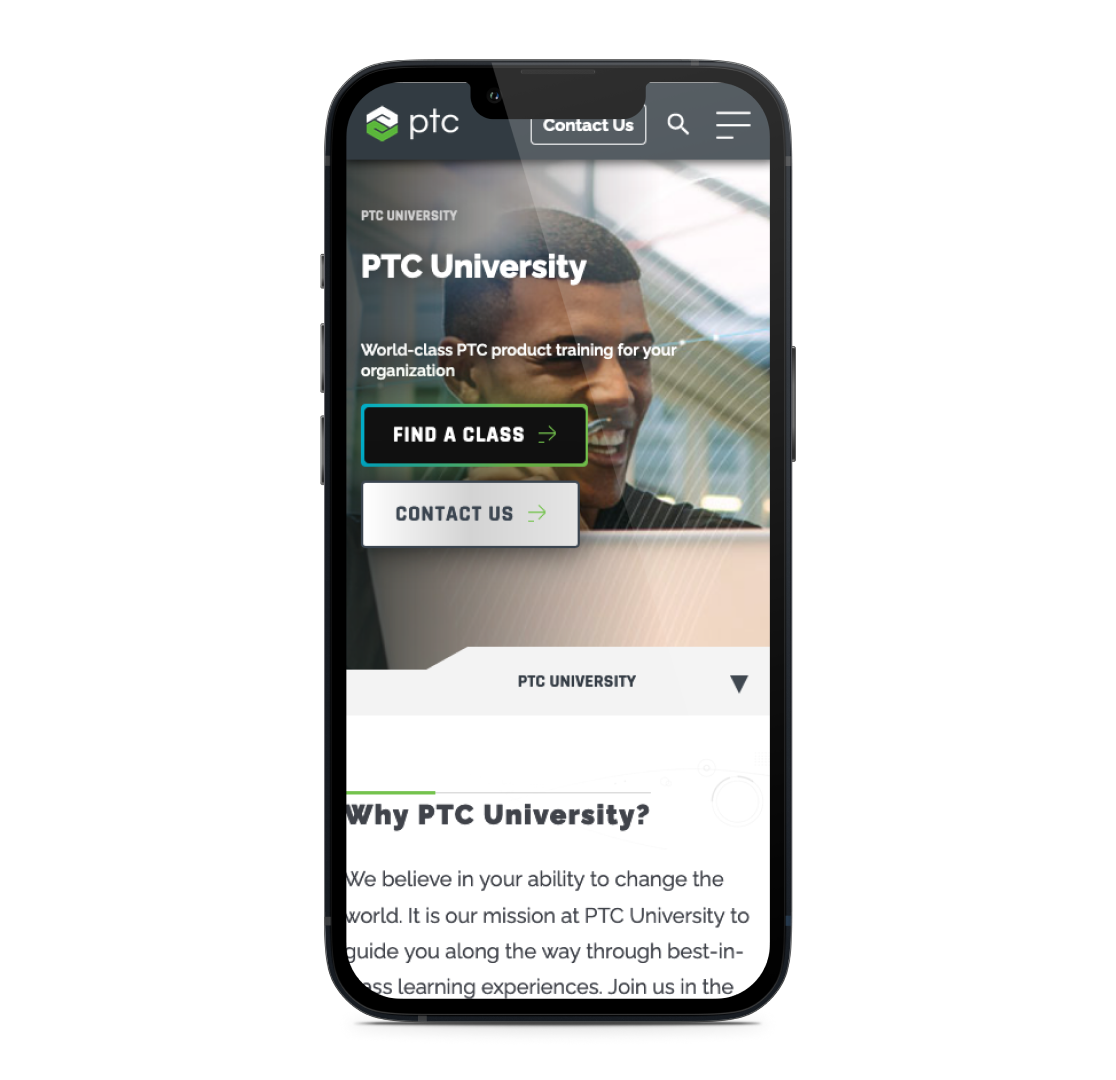
A user-friendly and mobile-responsive e-learning platform.
Integration with Salesforce for seamless data management.
Learning paths for structured learning experiences.
Social and collaborative tools to enhance interaction.
Advanced reporting and analytics to track progress and performance.
IconIcon

Key Feature Enhancements

Mobile & Responsive Design

Recognizing that learners access e-learning platforms from a variety of devices, a responsive design was implemented to ensure accessibility and a seamless user experience across desktops, laptops, tablets, and smartphones. The platform dynamically adjusts to different screen sizes, optimizing content display and functionality for each device. This allows PTCU to reach a wider audience and provide a consistent learning experience regardless of the device used, whether it's a large desktop monitor or a small smartphone screen.

Social & Collaborative Tools

To foster a sense of community and encourage interaction among learners, the platform was equipped with a range of social and collaborative tools. Learners can connect with each other through dedicated forums, participate in group projects with shared workspaces and communication features, and provide peer-to-peer feedback to enhance learning and knowledge sharing. These tools promote active learning and create a more engaging and supportive online environment.

Blended Learning

The platform was designed to support blended learning methodologies, combining online and offline learning activities. This approach allows PTCU to offer a more diverse and flexible learning experience, catering to various learning styles and preferences. Learners can access online resources like video lectures, interactive quizzes, and downloadable materials, while also having the option to participate in in-person workshops, networking events, and hands-on projects, creating a more holistic and well-rounded learning experience.

Gamification

To enhance learner engagement and motivation, game mechanics were integrated into the platform. Learners can earn points and badges for completing modules, actively participating in discussions, and achieving learning milestones. Progress tracking and leaderboards add a competitive element, encouraging consistent engagement and knowledge retention. This gamified approach makes learning more interactive and enjoyable, motivating learners to actively participate and progress through the courses.

Learning Paths

Structured learning paths were implemented to guide learners through the curriculum in a logical and progressive manner. These paths consist of curated sequences of courses and modules, designed to help learners achieve specific learning objectives and gain a comprehensive understanding of key concepts and skills. This provides a clear roadmap for their educational journey, ensuring a focused and effective learning experience.

Salesforce Integration

Seamless integration with Salesforce was implemented to streamline PTCU's operations. This integration facilitates efficient data management, allowing for centralized tracking of learner information, progress, and performance. It also enables automated communication workflows, ensuring learners receive timely updates and notifications. This integration enhances efficiency and ensures data consistency across systems, improving communication and reporting capabilities.

B2C & B2B with Sub-portal Admin

The platform was built with a flexible architecture to accommodate both individual learners and organizations seeking to upskill their workforce. Sub-portal admin functionality allows businesses to create customized learning environments for their employees, manage access permissions, track team progress, and tailor the learning experience to their specific needs. This flexibility allows PTCU to cater to a wider audience and provide tailored learning solutions for different user groups.

Advanced Reporting & Analytics

To provide data-driven insights into learner progress and program effectiveness, comprehensive reporting and analytics tools were incorporated. These tools enable PTCU to track individual and group performance, identify areas where learners may be struggling, and measure the overall impact of their e-learning programs. This data-driven approach facilitates informed decision-making and allows PTCU to continuously improve its course offerings and learning experience.

Admin Portal

A dedicated admin portal was developed to provide PTCU administrators with a centralized hub for managing all aspects of the e-learning environment. This intuitive interface allows for efficient control of user accounts, courses, content, settings, and other essential platform components. Administrators can easily create and manage courses, upload content, track learner progress, generate reports, and configure platform settings, ensuring smooth operation and efficient management of the e-learning ecosystem.

IconIcon

Delivery and Deployment

  • The e-learning platform was launched, providing PTCU with a robust and user-friendly solution for delivering its IoT courses.

  • The platform was thoroughly tested to ensure optimal performance, security, and compatibility across various devices and browsers.

  • Ongoing maintenance and support ensure the platform remains up-to-date and aligned with evolving e-learning trends.

  • Continuous support is provided to PTCU, addressing any arising needs and ensuring the platform remains aligned with their educational goals.

Value Creation and Impact of the Solution

  • Commercial Impact

    The platform’s accessibility and diverse learning resources are projected to attract a wider audience, leading to a 20% increase in student enrollment within the first year.

    Enhanced learner engagement and satisfaction, driven by interactive features and personalized learning paths, are expected to result in a 15% improvement in course completion rates.

    Streamlined course authoring, data management, and reporting processes are anticipated to increase operational efficiency by 10%, allowing PTCU to allocate resources more effectively.

  • Impact on Brand Equity

    The comprehensive e-learning platform positions PTCU as a leader in providing high-quality online education for the IoT industry, enhancing brand reputation and recognition.

    The platform’s user-friendly interface, innovative features, and focus on accessibility strengthen PTCU’s brand image as a modern and forward-thinking educational institution.

  • Platform for Future Innovation

    The scalable and adaptable platform accommodates future growth and evolving e-learning trends, allowing PTCU to easily expand its course offerings and integrate new technologies as needed.

    The platform’s modular architecture enables seamless updates and modifications without requiring major overhauls, ensuring long-term sustainability and adaptability.

    The platform’s design allows for the potential integration of emerging technologies, such as AI-powered personalized learning paths or virtual reality training simulations, to further enhance the learning experience.